
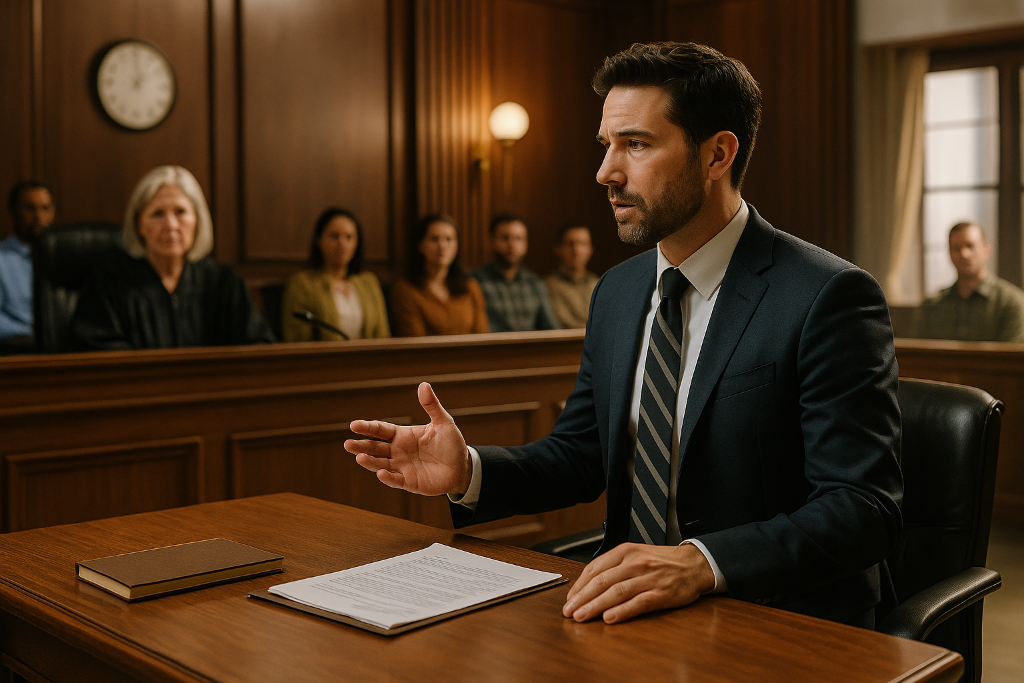
Many people who've been injured wonder the same thing: How long will my case take — and will it go to trial? Here's a look at what typically happens in a personal injury lawsuit in West Virginia, from the initial consultation to resolution.
Phase 1: Initial Consultation and Investigation (Weeks 1–4)
Your attorney reviews the facts of your case, gathers initial evidence, and determines whether you have a viable claim. This includes reviewing police reports, medical records, photos, and witness statements.
Phase 2: Medical Treatment and Documentation (Months 1–6+)
Before filing a claim, it's important to understand the full extent of your injuries. Your attorney will typically wait until you've reached "maximum medical improvement" — the point at which your condition has stabilized — before calculating your damages. This ensures you don't undervalue your claim.
Phase 3: Demand Letter and Negotiation (Months 3–9)
Once your damages are documented, your attorney sends a demand letter to the at-fault party's insurer outlining your injuries, losses, and the compensation you're seeking. Many cases are resolved during this negotiation phase without ever going to court.
Phase 4: Filing a Lawsuit (If Needed)
If a fair settlement can't be reached, your attorney will file a formal complaint in court. In West Virginia, most personal injury cases must be filed within 2 years of the accident (the statute of limitations). Once filed, the litigation process begins.
Phase 5: Discovery (Months 6–18)
Both sides exchange evidence, take depositions, and gather information. This phase can be lengthy in complex cases involving commercial defendants or significant injuries.
Phase 6: Mediation / Settlement Conferences
Before trial, most courts require the parties to attempt mediation. A neutral third party helps facilitate a settlement. The vast majority of personal injury cases — over 90% — settle before reaching a jury.
Phase 7: Trial (If Necessary)
If settlement fails, the case goes to trial. Your attorney presents evidence, examines witnesses, and argues your case to a judge or jury. Trial verdicts can result in significant compensation, but trials also carry more uncertainty than settlements.
How Long Will It Take?
Simple cases may resolve in 6–12 months. Complex cases involving serious injuries, corporate defendants, or disputed liability can take 2–3 years or more. Your attorney's goal is to secure the best possible outcome in the shortest reasonable time.
Contact Persinger & Persinger today for a free consultation. We'll walk you through what to expect in your specific situation.